
Issue 04, Conversations, Palestine
The Time for Condolences is Over. Leila Khaled on October 7, a Century of Resistance, and What Comes After.
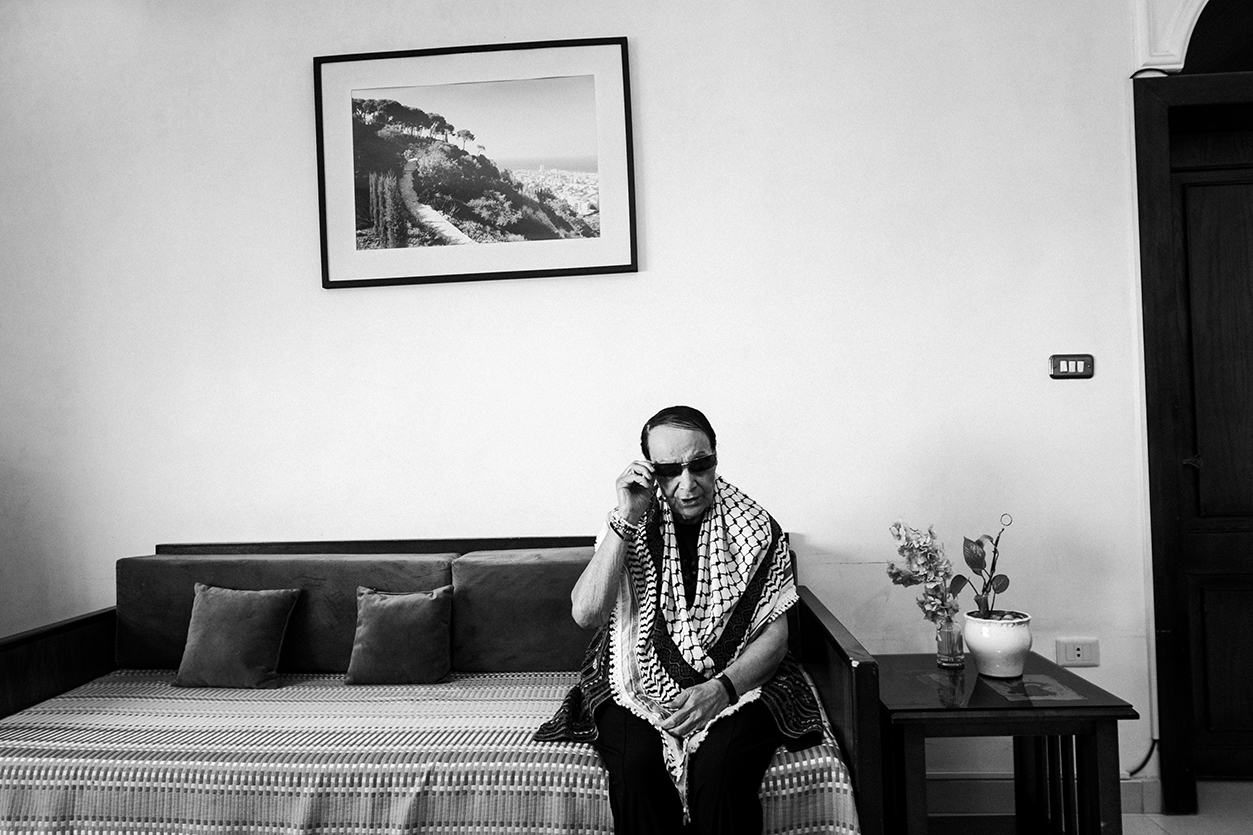
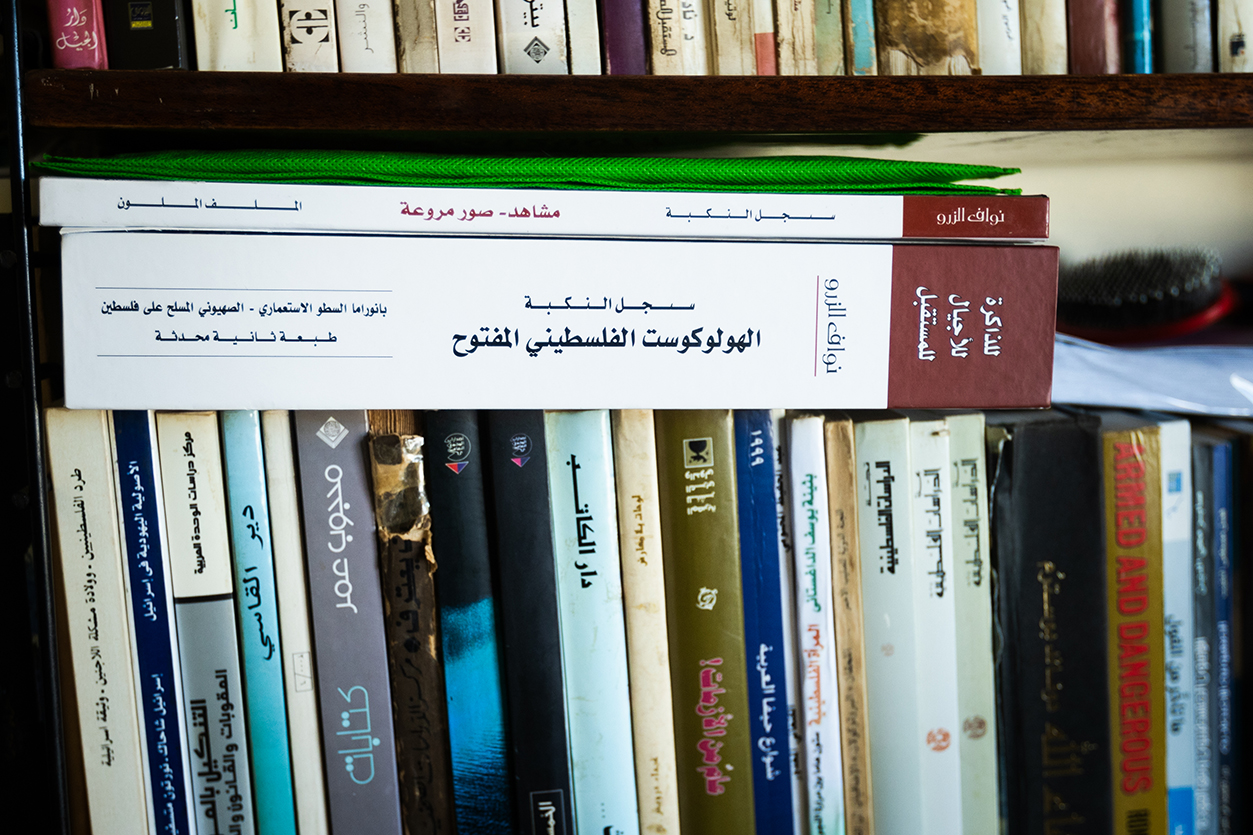
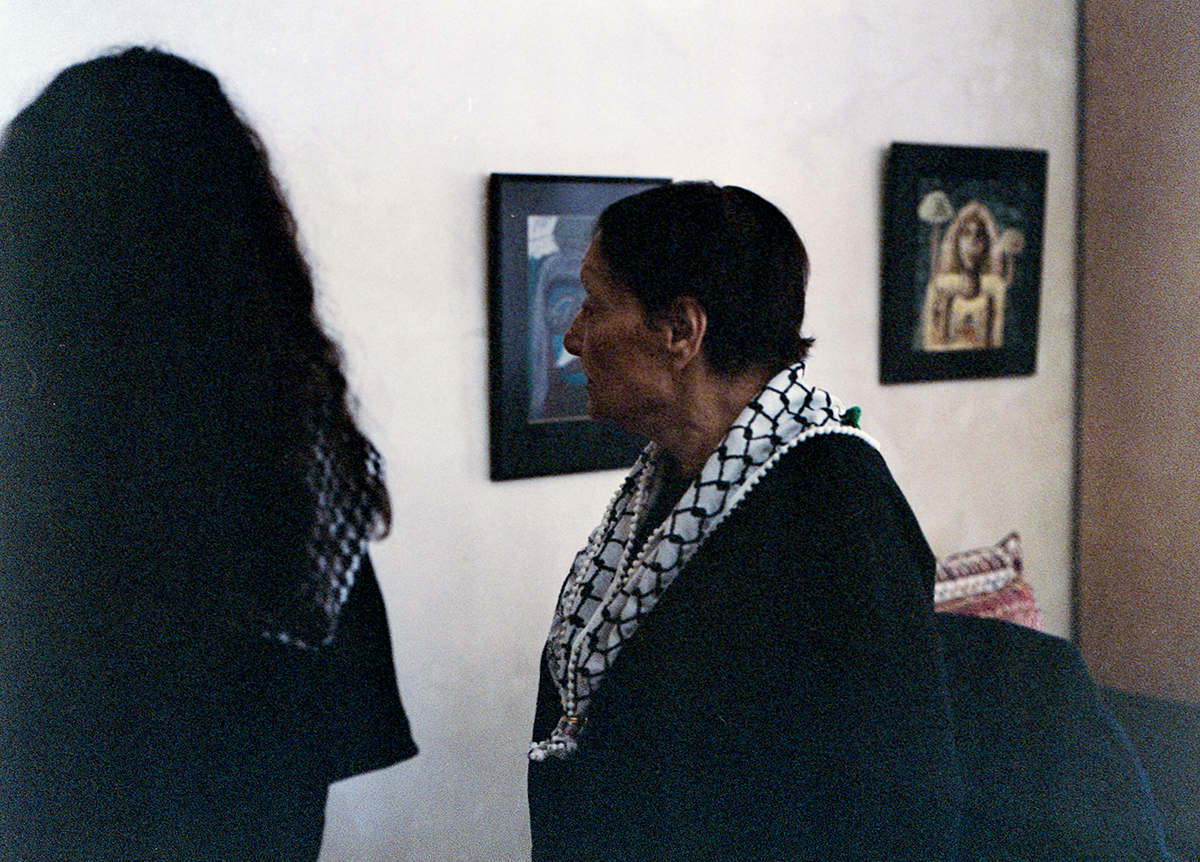
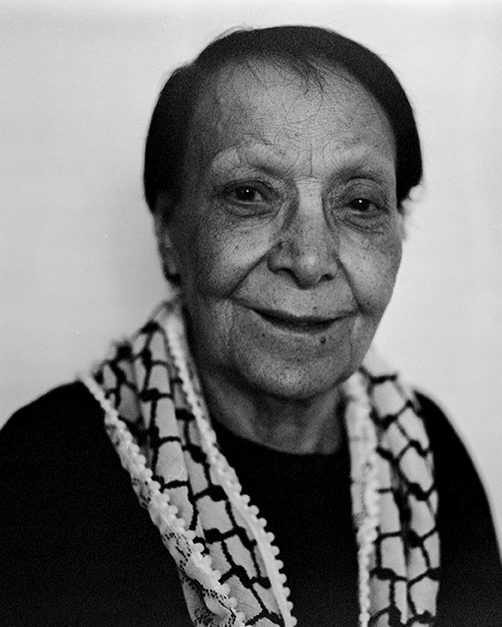
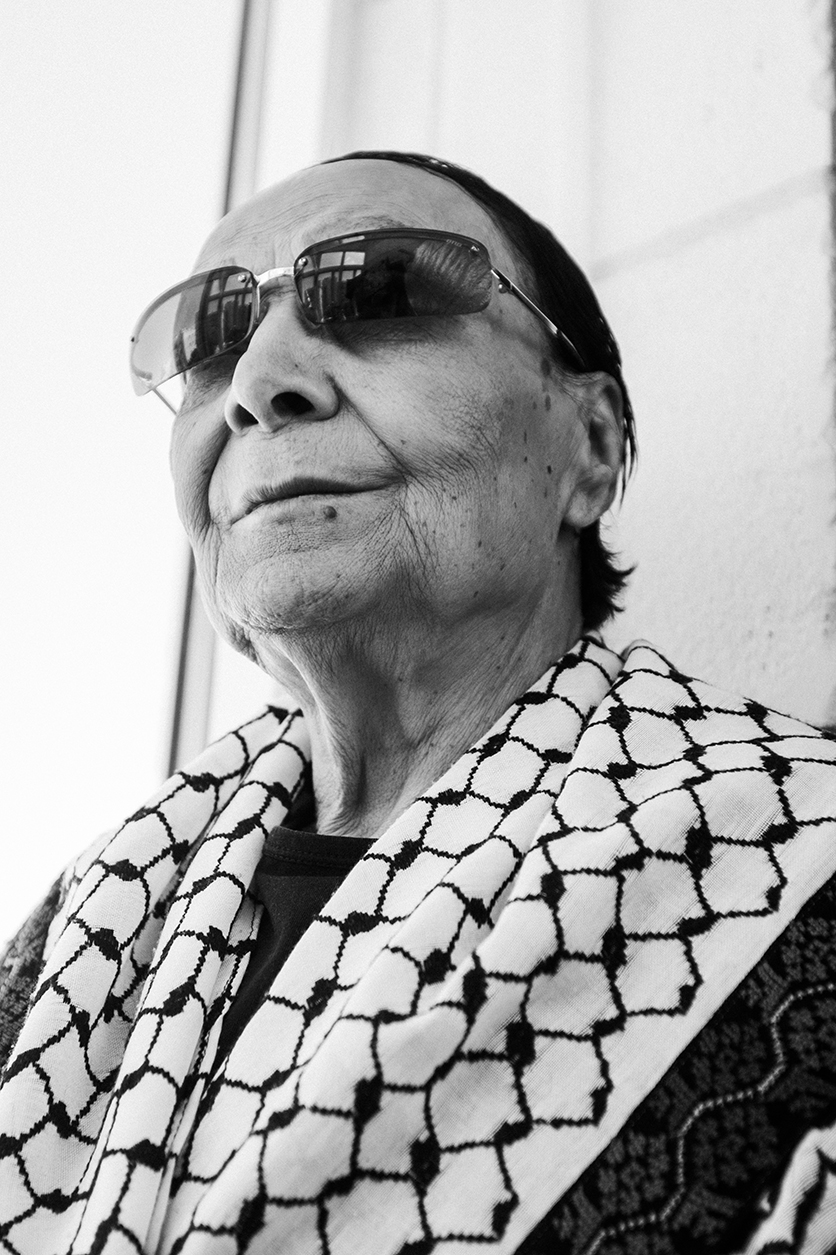
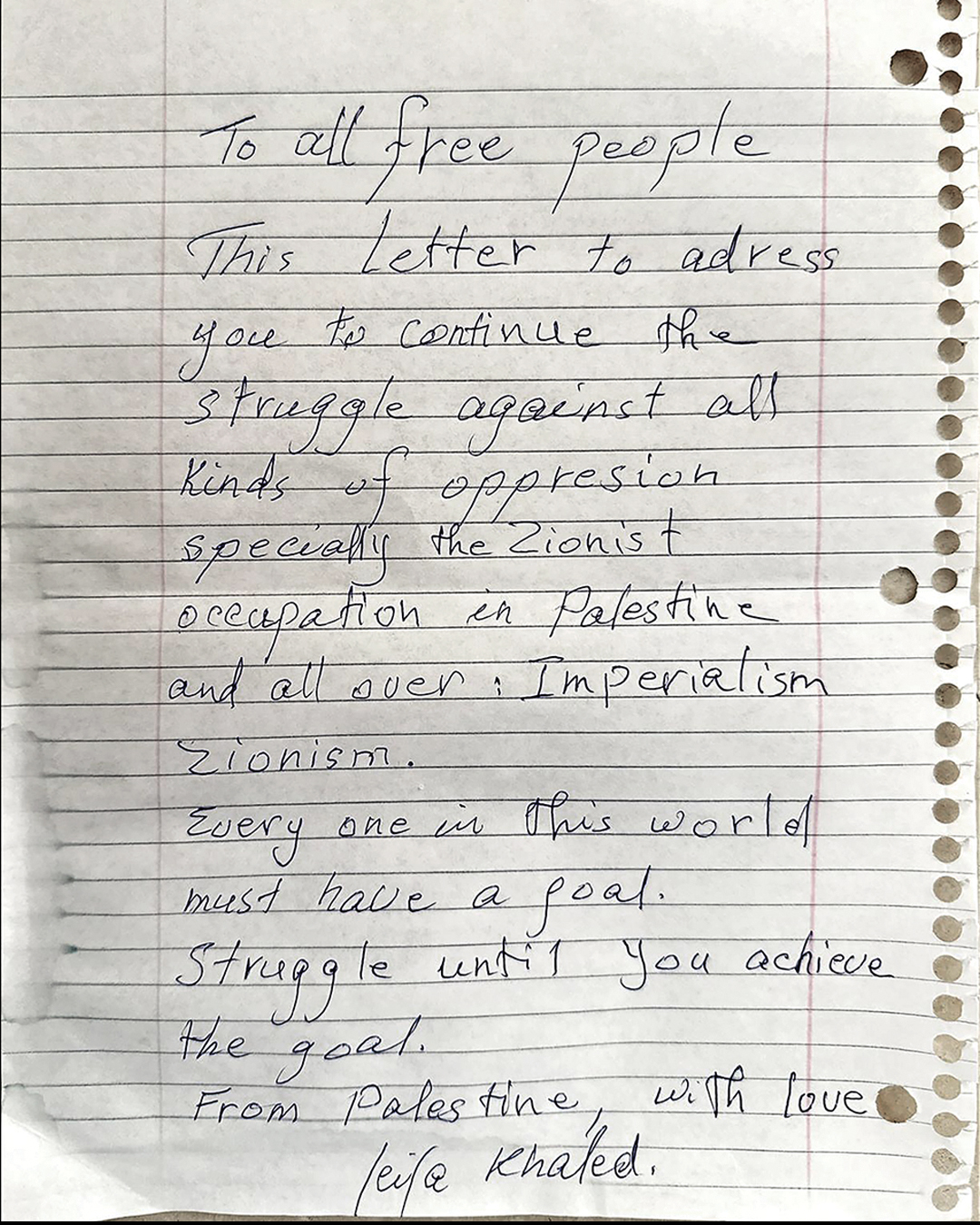
In February 2021, not long after launching Al Hayya, I sent a message to my team: We need to speak with Leila Khaled. At the time, the idea felt aspirational–part invocation, part impossibility. But when we began shaping this issue, Dreams of Liberation, the urgency of her voice within its pages became undeniable. After months of reaching out across networks, I finally obtained a line of contact. “Ouleelha Raeda bint Ali Taha a’tetik el raqam, w sallemilee ‘alayha kteer.” It took me a full week to gather the composure to send a voice note. When her reply came “Sabah el kheir, Maya…” it marked the beginning of an extraordinary exchange. On March 8, 2024, five months into the ongoing genocide of the Palestinian people, Al Hayya visited Leila Khaled in her home in Amman. The encounter was intimate and charged. We came with questions rooted in shared research and collective memory. We were aware of the historical weight of the conversation we were entering into. Leila Khaled is frequently framed through a set of emblematic titles: icon of resistance, political militant, the first woman to hijack a plane. And yet, when asked to introduce herself, she responded without hesitation, “Leila Khaled. Palestinian. A refugee.” In this interview, we speak with her about October 7, the evolving architecture of resistance, and the shifting horizon of liberation. Her responses move beyond testimony. They constitute a living archive, fierce, analytical, and uncompromising in their clarity. This interview is, without question, the most significant I have published in my editorial career.
—Maya Moumne
The following is a transcription of our conversation, translated from Arabic and lightly edited for clarity and flow.
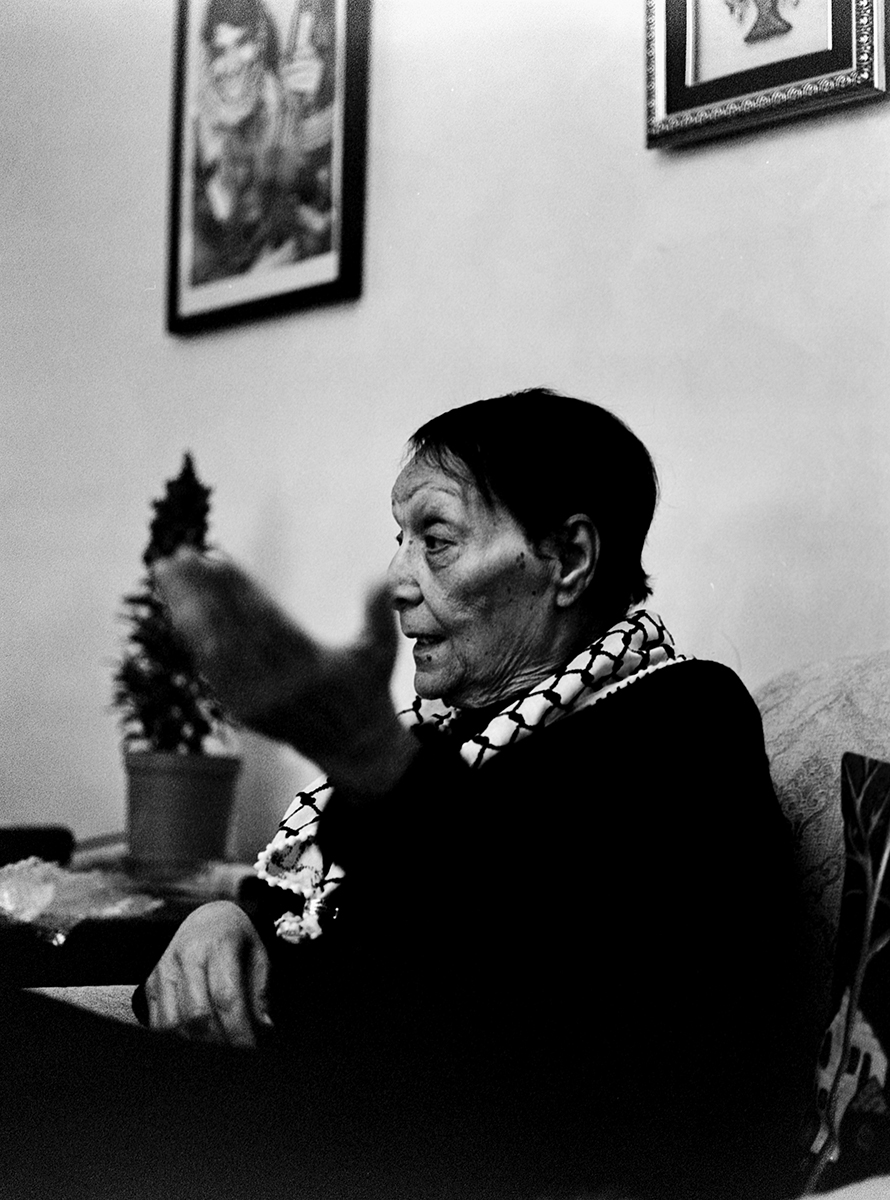

Yasmine Rifaii: The first thing we want to ask you, Leila, is where you were on the 7th of October. What is your reading of this event, of the current resistance movement in Palestine?
Leila Khaled: I was still in mourning over my husband’s passing. He had passed away a week before, and people were still coming to pay their respects. Early in the morning, my niece Malak called. “Get up,” she said, “look at the news.” I turned on the TV in my room and learned that there had been an attack. I got up and got dressed immediately. My husband is buried nearby—I was getting myself ready to leave, and Malak’s mother, who was sleeping in the same room with me, asked me where I was going. I told her I was going to Fayez’s grave, to give him the good news. She and I both went, and there was someone else who also came along. I told Fayez, get up! Get up and celebrate, celebrate with the martyrs. Victory is coming. What I’d seen on the news was not a sign of a small battle. All of us were surprised by the operation.
What they’d prepared, planned, what they were carrying out—it involved a lot of people; it was no small feat. No one carries out an attack with a thousand fighters just like that. It was not a simple operation to undertake. And they’d taken some people captive: They’d entered a military base, a division in southern Gaza. People were entering their own lands, and the photos were starting to come out. It made me feel happy, yes, it felt like the beginning of liberation. And indeed, it turned out to be no ordinary military operation, nothing like the previous operations throughout our history, the history of our entire people. For them to enter in this way… and where? Inside Occupied Palestine.
It was a moment of euphoria. I came back home and found the house filled with people: my family, my brothers, their wives. Everybody had congregated here. I told them that the time had come for us to celebrate victory. The battle had begun. My sister kept asking me what that meant, what battle. I told her that this was not an “ordinary” military operation. It was an attack with a clear objective: to liberate the land. That was the battle being fought. This was when the news was first starting to come out, and what I said to my sister came from a feeling that liberation really was coming. They had broken into a military division—which is highly significant. The attack felt like a beginning, the beginning of liberation. Not like the other operations we’d carried out against the enemy that ended in arrest and so on.
I kept the news on after that. Whenever someone came to offer me their condolences, I’d say, enough, the time for condolences is over. We’re not in mourning anymore. I said to Fayez: You go celebrate with the martyrs, and I’ll keep up with things here.
In my view, up until now and considering everything that’s unfolding, it’s only natural to assert that this is a decisive battle between us and the enemy. And the enemy is not alone. It’s not just Israel. There’s the Zionist movement, the West, the United States—they are Israel’s main supporters. The hypocritical West that lectures about human rights, democracy, peace, environment and climate awareness… it’s all a lie. They are the actual head of terrorism, everywhere in the world. The West, in all its greatness, says that Israel has the right to defend itself. But are we not supposed to defend ourselves too? And this extends to the media of the West. First, they don’t paint any of the picture. They just say that Hamas carried out an attack. They minimize the battle—to their discredit—as being against Hamas. What do people think is happening, that Hamas members have been lined up and are being killed off? When they don’t even know where they are? They’re torturing an entire population, and they’re continuing to torture our people in the West Bank. Why? They want the idea of resistance to end. The idea. They don’t want it to continue to exist, not anywhere in the world.
The resistance fighters involved in the attack, they didn’t go on radio or TV shows… they entered and finished their mission, and went back. The Zionists were caught off guard and weren’t prepared for such an attack, so they entered Gaza without a plan. With whom exactly as their target?? People. That’s it. So they kill. That’s all they do. Kill, kill, kill. All the time. They demolish buildings and destroy houses with the residents still inside. They were extremely brutal and deliberately criminal from the very beginning. Where is it they think they will find Hamas, or the resistance? What are they, sitting at home? They’re not going to find anyone. What they did find is people. Ordinary people. And the Zionists know from their experience with the Gaza Strip that the people are always with the resistance. The resistance has popular support. So the fighters carried out their operation knowing that the people are with them. And by the way, while Hamas is leading the battle, all the armed groups and factions are actively taking part. So I really don’t think that this has been planned by one organization alone. It has been planned and coordinated with parties of the Axis of Resistance. It’s not by coincidence that southern Lebanon has flared up. There is a resistance there too. It’s an entire axis coordinating the plan. This was decades in the making.
Our allies didn’t wait long to join in, especially the Lebanese resistance. In the South, people are being martyred, homes are being destroyed, and yet everyone embraces the sacrifice as part of the resistance. This is what people in South Lebanon are saying. This is their history. We all know what happened in the South, how many wars were fought, how many sacrifices were made, and how they continue to be made. And Yemen, what about Yemen? They said, we have nothing to lose. We’ll send missiles. And they did, and they still are. There are American warships at sea. Why don’t the Americans do anything? Because they don’t want the battle to spread. They want to finish ours first.
This battle has significantly deepened our understanding of liberation. Of how we will liberate our land. We mobilize our forces, and our allies stand with us. And we have allies. This struggle, this phase of our battle, has fully drawn a clear dividing line in the world. People are taking to the streets across the globe chanting for a free Palestine. This proves that people are always on the side of justice. And our cause is a just one. A humanitarian and political cause, in every possible sense. This battle did something different than everything that came before. It is the culmination of all that has preceded it in the long struggle of the Palestinian people. Even the Israelis and Americans understand that the occupation has been ongoing for 75 years—but for us, it’s been around a hundred years, or more, since 1917 when the Balfour Declaration was announced. The enemy tested us, and we tested the enemy right back. A ruthless, brutal enemy armed with a terrorist ideology. They and their allies are at the head of terrorism everywhere in the world. And we’re hearing this from all over the world: from Washington to London to Japan. Everyone is protesting.
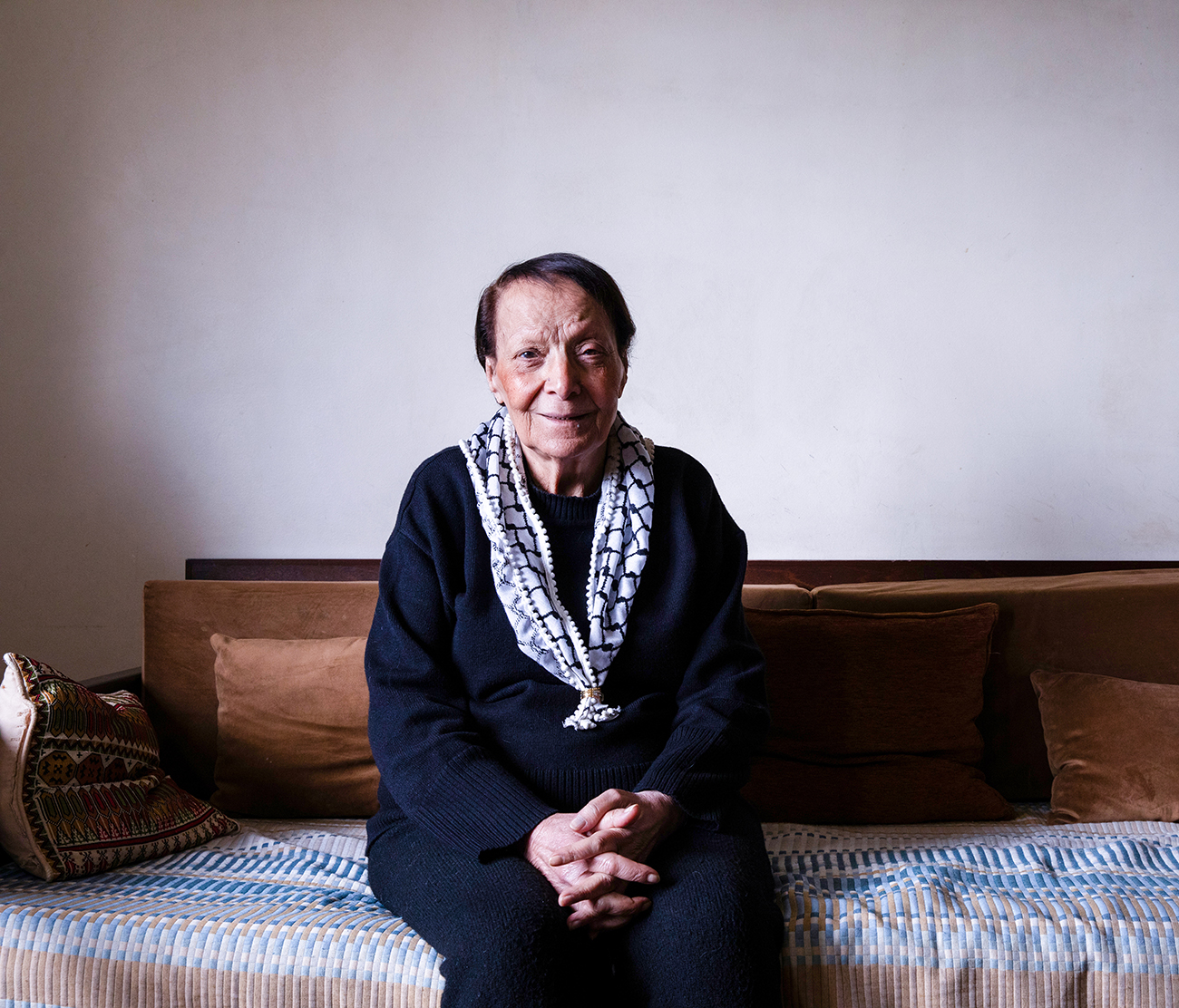
On the magnitude of losses
One question we often ask each other across the different factions is whether we had anticipated losses of this magnitude. But despite this, we remain focused on the goal we aim to achieve. How do we achieve it? Should we keep waiting, year after year, for negotiations and whatever else? No. We will not achieve anything through negotiation. We know the cost will be great. In the past, they also killed and destroyed—but not on this scale. Why? Because this time they were surprised. They went into battle not knowing what to do. We must assume this responsibility. And we need to impose our conditions. A complete ceasefire, total withdrawal from the Gaza Strip, and the release of our prisoners. Everyone in the resistance is in agreement on this. These three goals. What did the enemy propose? What did Netanyahu propose? He said he wanted to eliminate Hamas, get the hostages back, then find a comprehensive solution.
What the battle revealed about the zionist enemy and its repercussions on the entity
What this battle has highlighted is, primarily, the brutal and barbaric face of Israel. And that the Palestinians have the right to struggle against the occupation. It revealed the true nature of Zionist society, that it is a militarized society—everyone must serve in the army, except for the ultra-Orthodox Haredim. Another important point is that hostages were taken: soldiers, officers, and civilians. The civilian hostages were taken by Palestinian civilians who, amid all the commotion, ran out to the settlement; it’s right there, after all. People know their area. Whoever found a woman took her; whoever found a child took them… they took them to their homes. They didn’t take them to Hamas. Hamas was targeting members of the military, not civilians. This also created a problem, as it was the first time in their history that something like this happened. They state this themselves. All in all, it’s not just any battle, which means its goals are also unusual.
It’s become an existential one for the Zionist entity, and Netanyahu said that it’s a battle of life and death. Because they know that this phase could mean the end of the occupation. People are lining up in queues to leave. Anyone keeping an eye on Ben Gurion airport knows how many people are leaving—and we’re well versed in aviation, hah! They claim that it’s foreigners who are leaving because they’re afraid of the war. It’s not the foreigners. It’s the Jewish settlers. It’s a reverse migration. And this is Israel’s problem. Netanyahu, speaking from a settlement once, said that he hopes to be among them on the centenary of Israel. So you see there is this idea of whether or not they will remain.
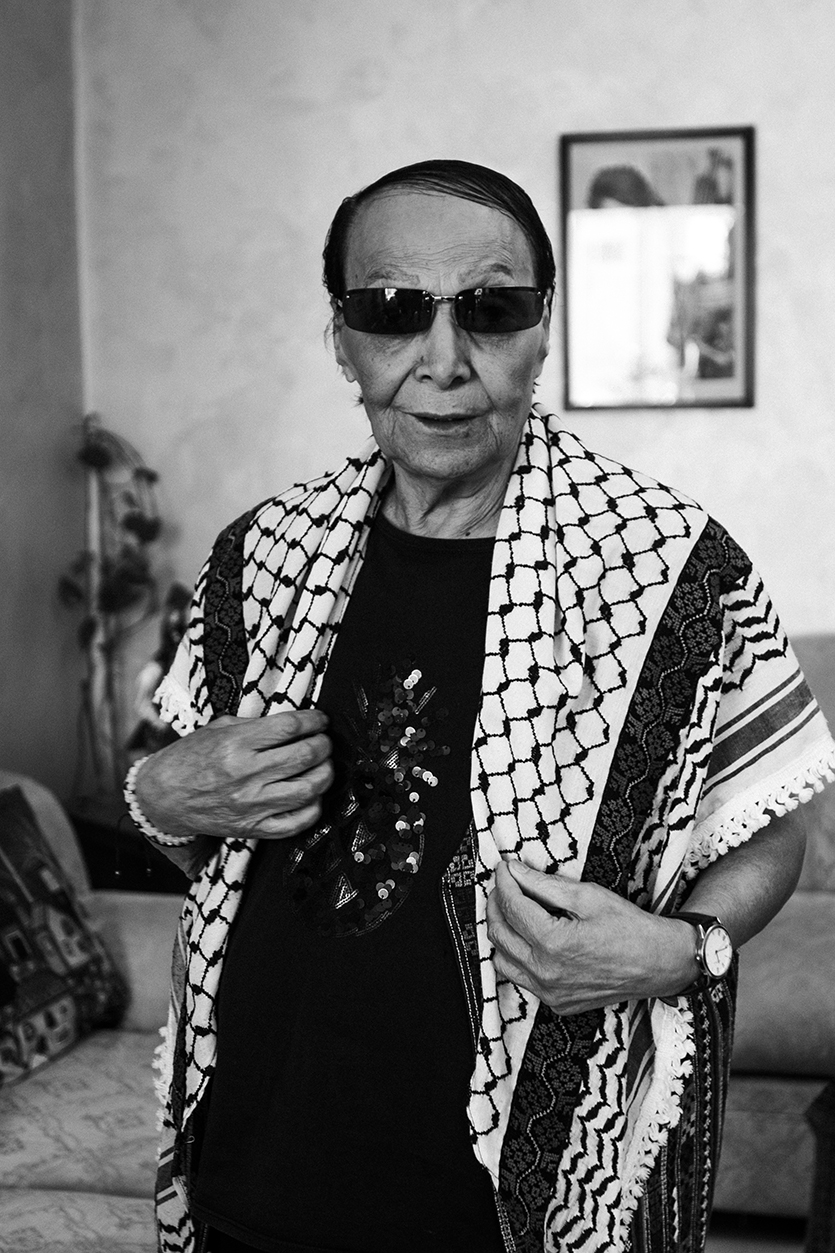
What the battle revealed about the Arab governments and the Palestinian Authority as tools of occupation, and resistance as a continuous endeavour
Negotiations are now underway, and who is it that’s pressuring us? The Arab states. And they say it—Saudi Arabia and the Emirates and so on, they want to be done with this. Be done with us. The other tragedy is that we have an authority that is anything but, an authority that came in on the Oslo tanks and hasn’t done one thing to help. Security cooperation with the Zionists is ongoing in the West Bank. The Palestinian National Security Forces are identifying and clashing with resistance fighters. This unfortunately means that we now have another source of pressure to deal with, one from within. Our youth can no longer tolerate all this injustice. In the end, what choice do people have? They either resist or they surrender. And we are a people who do not surrender. Never in our entire history have we raised the white flag. There has always been resistance, and as long as resistance exists, we need to carry it on from one generation to the next. Which generation is it that’s resisting now? The generation born in the 2000s, not the one that started the first and second Intifadas. I mean, how old are they? They’re young. But this is the result of accumulation. Quantitative accumulation leads to qualitative change. Perhaps what’s happening now is this qualitative change.
On sumud, remaining steadfast on the land
We, as a people, dream big. I’m not trying to be philosophical. To see a people that clings to their land be subjected to so much killing, and still they take it “for the sake of the land,” “for the sake of Palestine,” even when they’ve lost their entire families…
I talk to people in Gaza sometimes. I was speaking with a comrade in a school housing displaced people when a woman, who overheard the call, asked him who he was talking to. He replied, “just somebody,” but she insisted on taking the phone. When she got on the line, she told me she had recognized my voice—she’d seen me on TV. “Listen, tell everybody, we’re not leaving, we won’t leave Gaza,” she said. “We left our homes so they wouldn’t bomb them. And now we’re in these schools to keep our children safe. Let them kill us. We’ll die with honor and dignity on this land. We will not leave. Tell the whole world we will not leave, even if only one of us remains.” This mindset, this attachment to the land… it’s enough that we were displaced once. We won’t do it again. They won’t do it again. All the proof you need is that there are 1.5 million people—who have been counted—in the south of Gaza now, and 600,000 in the north who have refused to leave their homes. And the Zionists say they’ve taken control of the north… what control? They haven’t taken control of anything.
Yasmine: What do you think of what happened with the International Criminal Court? A lot of people were against it, but many others were in support of it.
Leila: It’s natural to have recourse to everything at your disposal in the context of this confrontation: the legal, international, and media fields. The Zionists are good at media. They control Western media. They control the media and the money. This has been their main effort. But Netanyahu doesn’t care. He openly states that while there is international pressure on them, they pay no attention to it—not to the United Nations, not to the Security Council, not to anyone. This is a long battle, and all the ongoing negotiations only serve to put more pressure on Palestinians, not on… what’s his name… Even the Arab states are pressuring us to declare a ceasefire. We do want a ceasefire, because they’re on the brink of exterminating the entire population. But who is stepping up to take any action on their behalf? You know how the Arab media operates—there is barely one or two outlets that reports the truth and discusses it in depth.
Yasmine: Do you think that the resistance and its popularity, the image of the armed militant, and armed resistance have changed since the seventies and eighties, with normalization in the Arab world picking up? Because many in the new generation support the resistance. But the word terrorist still applies to the Arab world a little bit. Would you say the image of the militant is different now?
Leila: Look. People always stand for what is right, not rulers. The more we impact them, the greater their positive impact on us. This has been a long struggle for a people who have endured for over a hundred years. If we were to set aside the first fifty years—say we didn’t understand what was happening—the last fifty have shown us clearly what’s been going on. And now, the world understands too. We address the whole world today.
I was designated a terrorist… by those who are behind all terrorism. What’s the point of constantly justifying ourselves? No. This is our right—it’s guaranteed by the UN Charter. Peoples under oppression and occupation have the right to resist, by any means, including armed struggle. We are exercising our rights under the UN Charter.
It’s easy for them to label a militant a terrorist or an anti-Semite. Whenever anyone speaks up, this is the automatic response. But we don’t want to engage with that narrative. We focus on our goals and our just cause. This is our legitimate right. And now, some people are starting to say—these are not terrorists.
No matter how much the US and the Zionists insist on calling us terrorists, what we did pales in comparison to their actions. We didn’t kill anybody during our operations. Internally, it’s different, but I’m talking about what happened outside, because we are on the outside. We did nothing to harm people who had nothing to do with our external operations. Meanwhile, they come into our homes and kill us. How many of us have they killed? How many have they arrested? There are more than 15,000 Palestinians detained in Israeli prisons. Seven thousand of them have already been there for many years, and now thousands more have been arrested. They’re running out of room in the prisons. Who’s the terrorist here? It’s not a guessing game. They are the ones operating against international law. The American veto is always ready to be brandished, which explains why Israel considers itself to be above international law.
But to go back to your question, yes, the image of the Palestinian has changed. The Palestinian is no longer a terrorist. Now they talk about a people. One that cannot be eliminated from existence. They talk about a people who has the right to live like everyone else. Yes, the image has changed. Now people say that Palestinians have the right to resist.
Yasmine: And would you say this changes things? Thinking beyond solidarity, would you say that the world will have a hand in liberating Palestine? Or is the battle ultimately to be fought on the land of Palestine?
Leila: Let’s see how much pressure these populations will put on their governments. The streets came alive in Europe and the United States—millions of people are protesting. But governments don’t care about public opinion anymore. They do what they want with military, economic, and political power—this won’t last forever, though. While it’s true that American foreign policy hasn’t changed, things are not the same anymore, people do speak up now. It used to be forbidden to bring up Palestine and the Palestinian people in the US House of Representatives. So some form of change is happening. History doesn’t stop—it keeps moving. And we are moving along with history, not against it. But we do have one thing against it: the monumental crime committed against us, the crime of the century, the Palestinian Nakba. Though we are now at a stage where we have allies and some governments stand with us, how much influence could they actually wield?
We’ll see what kinds of problems the US elections are going to give rise to. They’re going to cause a massive rift in US society. Taxpayers are asking why their money is going to the war, they are being incited to protest the fact that the money they pay doesn’t go to health care or other services. Millions of people in the US don’t have health insurance. And their money goes to Israel? Why? The US sends billions of dollars in military support to the Zionists, and its warships and bases are constantly at the disposal of this war.
Sometimes it can feel worrying to think about the caveat that people might get sick of these scenes and stop wanting to see them. That is a possibility. They want to demoralize those who still believe that we will be victorious. They may annihilate us, but we will be victorious. In the end, the world isn’t that brutal. Part of it is, but people have had a taste of its evil. Take the Arab region—Iraq, Syria, Libya, Egypt, Algeria—didn’t they all taste the horrors of colonialism? What about the people in Africa who were taken by sea and sold as slaves to colonizers in the colonial United States? Colonizers have no right to declare themselves the bearers of civilization through history. They have tortured us, they and their tools in the region. They have tools everywhere, always ready to strike. Even in Lebanon now, the same narrative is being propagated all over again—why the war with Israel? People ask why we are fighting. If you don’t fight, they’ll invade!
Yasmine: There’s a question we really want to ask you, about a recurring discussion among feminists and queer women regarding the Palestinian resistance. They are with armed resistance, and they dream of a free Palestine and a free planet embodied by the freedom of Palestine. But they don’t agree with the current resistance movement because it is Islamic. Our magazine has audiences in many countries; some of our readers are with the armed Islamic resistance, but others do not find themselves in the ideas and ideology of the resistance today. What do you think of this? What do you have to say to them?
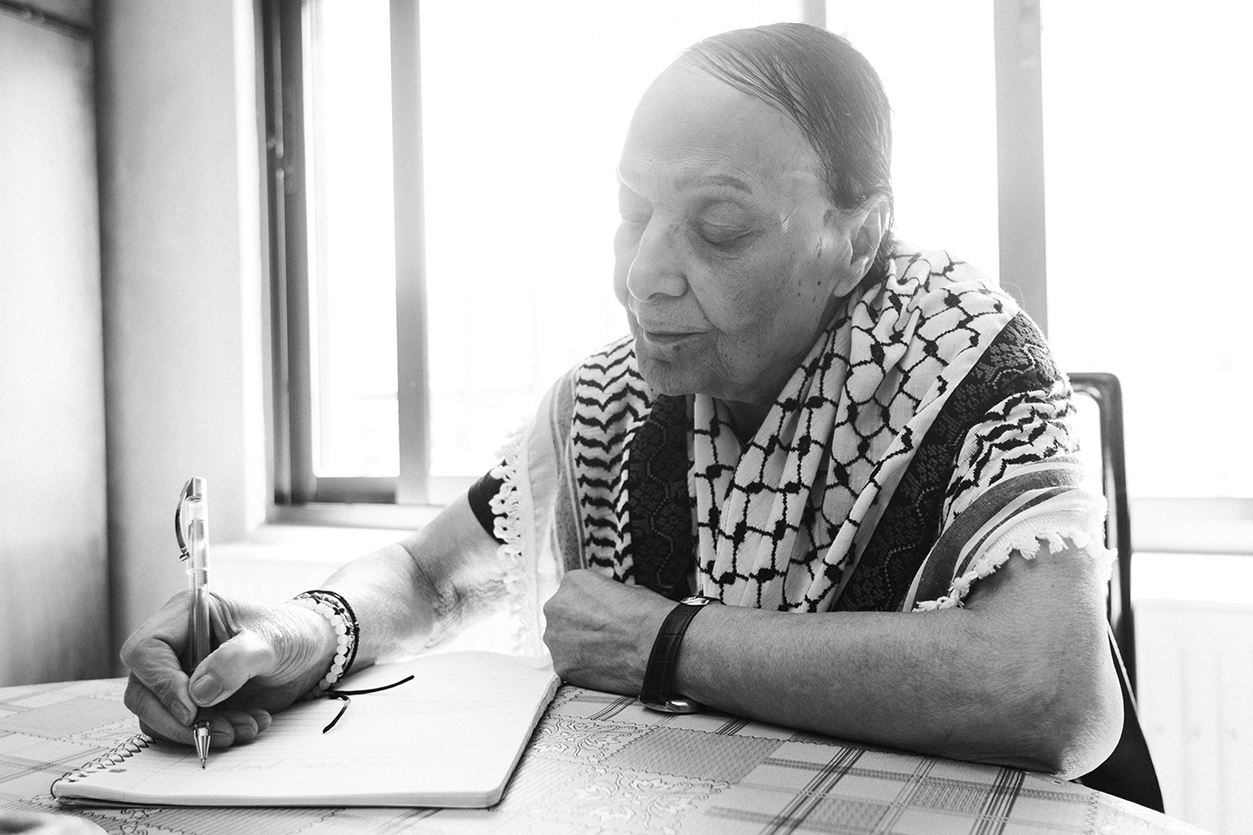
Leila: Resistance is as diverse as the diversity of the people. Whatever group, whatever class they are. This is an armed resistance, even if it carries an Islamic doctrine. We are in societies whose general culture is Islam, throughout the Maghreb. People choose what religion they want, but as a general culture, it’s Islam that’s prevalent. It’s one of the components that make up this region. We can’t tell someone who adheres to this ideology that they are wrong because they are Muslim. I say this as someone who’s part of a secular organization—just so people know. People are of different religions; there are Muslims, Christians, there used to be Jews in Palestine, and we all carried the same documents, in Arabic, English, and Hebrew, and we coexisted. Even now, we are not against the Jewish religion. We are against the culture of racism, against Zionism. In the past, our families used to scare us with the idea of the Jew, they’d tell us the Jews are coming. It took us twenty years to establish the correct idea: that these are Zionists, that there is a Zionist movement behind them. We are not against Jewish people. People are free to worship whoever they want. People no longer believe this idea that the Jewish religion is the problem.
This is all happening in the context of rising awareness in society. It’s not enough for only women to be aware of the problems they face; men need to have that same awareness too, to be moving with them in the same direction. Since the beginning of the revolution, we at the Popular Front have upheld the slogan: Women and men together in the battle of liberation. Men are not fighting alone. Women have been imprisoned since the early days of the occupation, and they too have carried out military operations. I take pride in having carried a progressive, humanist vision. Women have consistently risen to these ranks: I reached the political bureau, and so did my female comrades, along with the central committee—the highest levels one can attain within the party.
Fighting for greater awareness is essential to the idea one carries forth. We’re not roaming around like outlaws. We are fighting for a homeland. We want to return because we are refugees too. At the very beginning you asked me to introduce myself—what did I say? I am a Palestinian refugee. Like all refugees. We can’t pick and choose our ideas. It’s not about choice. We adopt an ideology, and this thought is progressive, humane, liberatory.
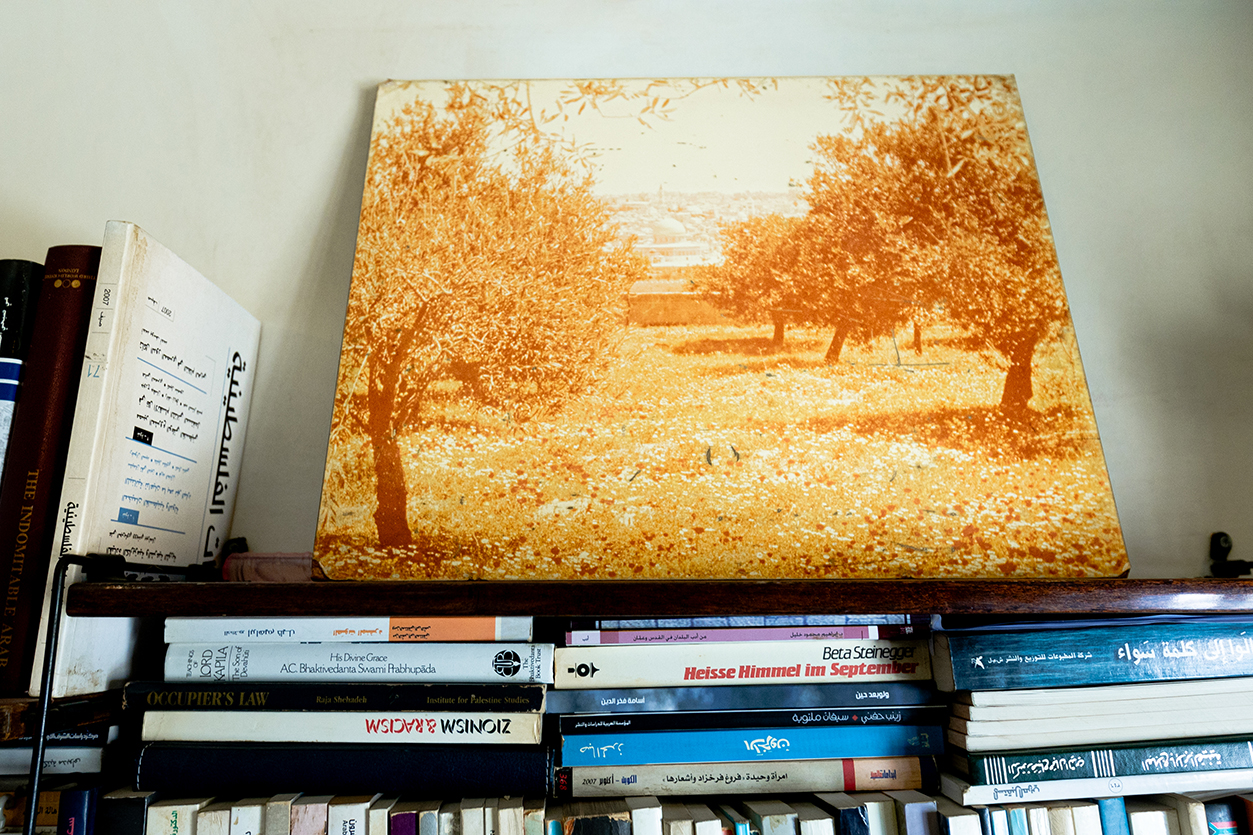
Yasmine: Do you feel that the prospect of return has grown closer since October 7, given that you’ve described this as a decisive battle?
Leila: The key to resolving this issue is the return of the refugees. According to an international resolution. Our battle is not only with Israel. So the resolution of this conflict needs generations. It needs allies. The generation now involved in the conflict is the fourth generation to fight this battle. But this makes you feel even more prepared. It’s like someone’s building a house. First they need to build the foundations, with the necessary supplies of steel and cement. Then they start to build upwards, and then comes the roof, for the house to become inhabitable. I’m using simple terms to communicate this, but it’s a wide vision, one that expands as far out as the Palestinian people. They are laying the foundations for their battle, and where is it that they want to go, what is their objective? Still the generations being born are saying we want to return to Palestine. The concept of the right of return is something very much alive inside the camps. Every generation says to the one before it, why did you take us out of Palestine? I used to ask my own mother this—how did you allow for yourself to leave? She used to say that they weren’t aware of what was actually unfolding. Take the Deir Yassin massacre: they killed the women and slashed their stomachs open… then the Zionist gangs did what they know best: propaganda. They’d have someone speak publicly about what they had done. They still use the same playbook—they besiege the hospital and whoever’s in it, they detain the doctors and paramedics, they abduct people off the street and detain them. Then they send two or three to speak on television platforms and talk about how they tortured them.
So my mother felt afraid. She packed up her kids—six girls and two boys—stashed us all in a car and went to Lebanon because that’s where her family was. And so the atmosphere in our house growing up really revolved around this question of why they had left. Why they had taken us out. What are parents supposed to say? The Zionists took Palestine. This is the answer you hear everywhere.
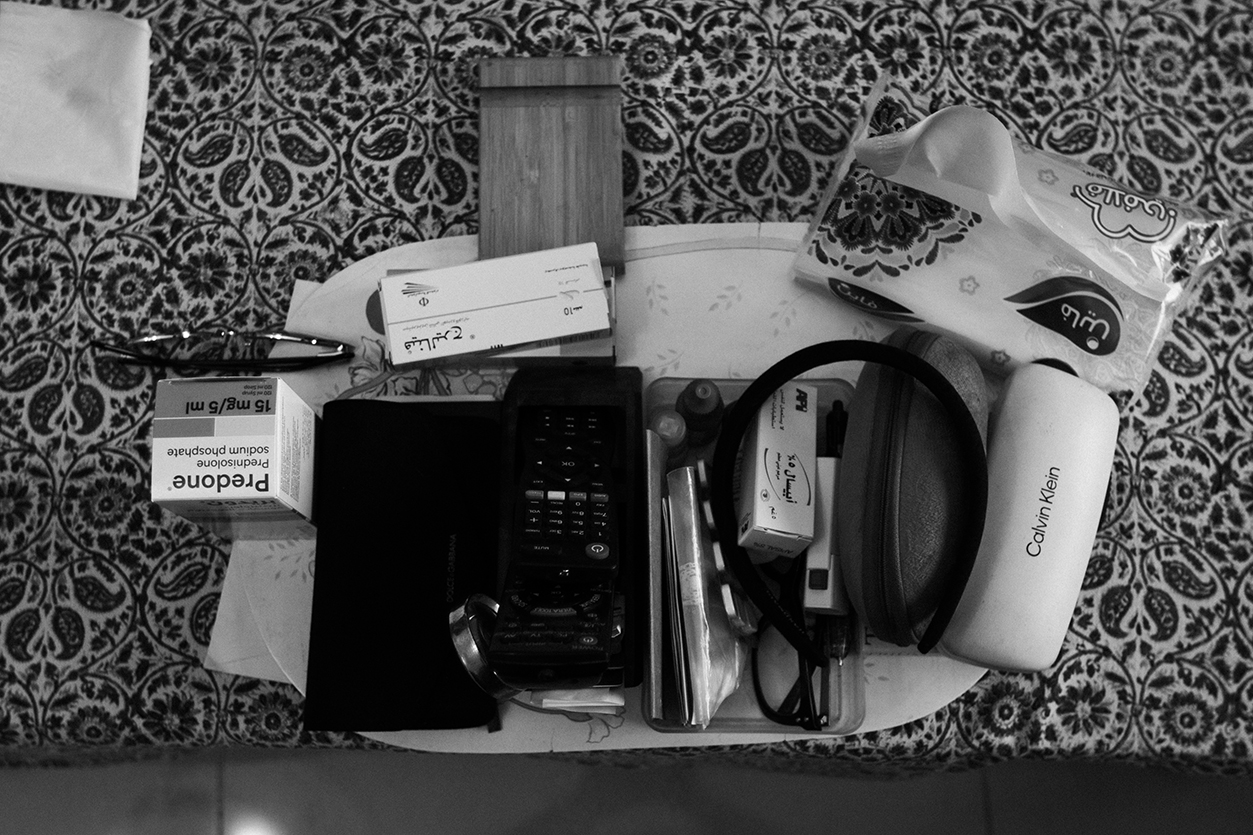
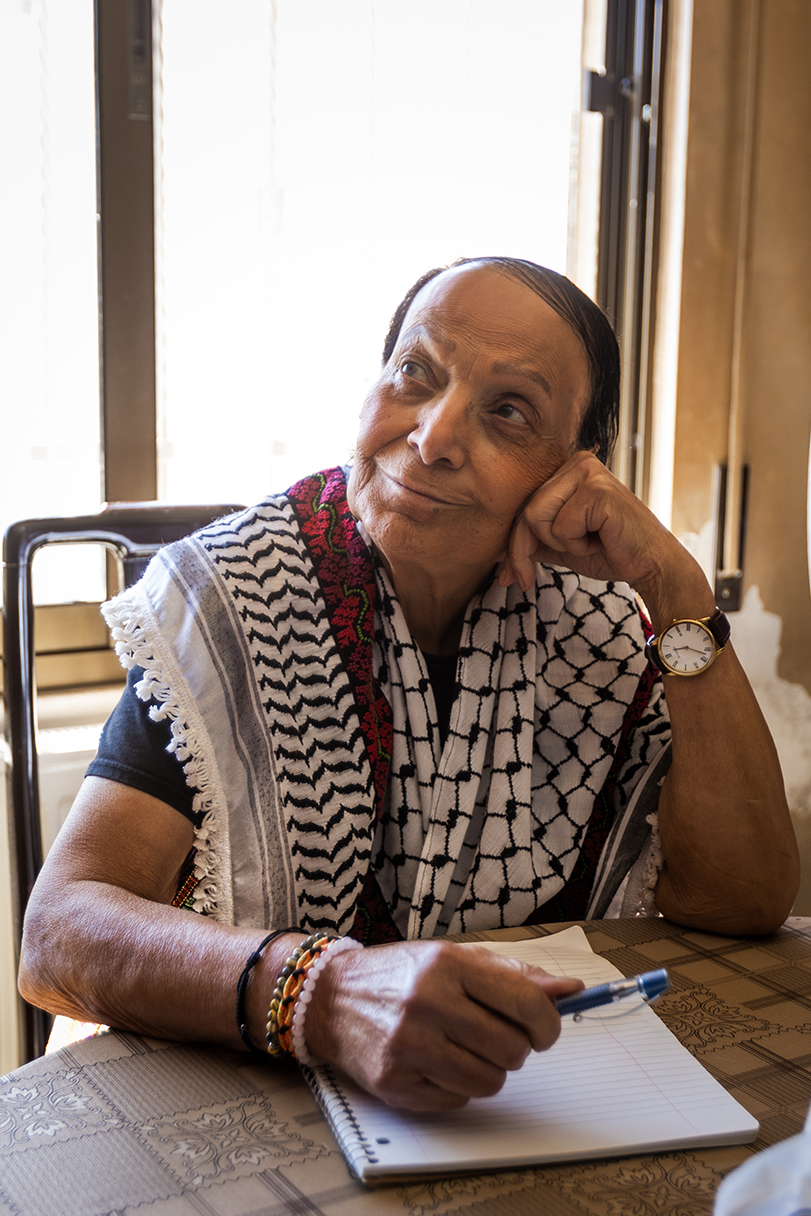
We may not have lived in a camp, but we studied in a tent. There weren’t any schools to go to. The camp equals suffering. Life in the camp is not easy at all. I wanted to be among our people, I wanted to live in the camp with them, to eat what they eat, to understand what life inside the camp meant. When we left Beirut in 1982, we went to Syria and decided to stay in the camp. We did not want to stay in the city. We all committed to this. You know what kind of situation Lebanon was in at the time, the Civil War framing Palestinians as having occupied Lebanon. Where do you begin to respond to such a narrative? You say you’re also defending this land you’re living on. Yet even in the camps Palestinians are pursued. Why? Why Nahr al-Bared, why Tel al-Zaatar, why Sabra and Shatila? They don’t want to leave any witnesses. The camp is a witness to the crime. People hold onto the right of return. They want to return. The concept takes hold.
This battle is a decisive one. If we don’t succeed, we will repeat it. The resistance is ongoing; this is all part of a larger plan. Now the negotiations speak of the army’s withdrawal. If they don’t want to withdraw, the resistance will bury them. They have said this to them: Gaza is the graveyard of the invader. In Jewish history, in their culture, Gaza is a graveyard. A graveyard for Israelis—or for Jewish people, I should say: because in the days of the Canaanites, there was a massacre of Jewish people in Gaza. They have this saying where they ask if you know why the sand in Gaza is grey. Because of the remnants of bones. And this scares them. They don’t dare go into Ariha either because they were struck by the plague when they entered it. So they don’t. They just move around it. It’s in their culture. When you start digging into history, you learn a lot of things that were absent from our imaginary when it comes to how they see us. But now we know it well. And we also know the path of resistance.
It is us versus them.
We have all the time in the world.
Edited from the original transcript by Vee Badaan and Bashar Rashid.
Translated from Arabic by Caline Nasrallah