
Analysis, Issue 05, Chronicles
The Virility of the Dark Nightingale: Enigmas of Masculinity and the National Imaginary
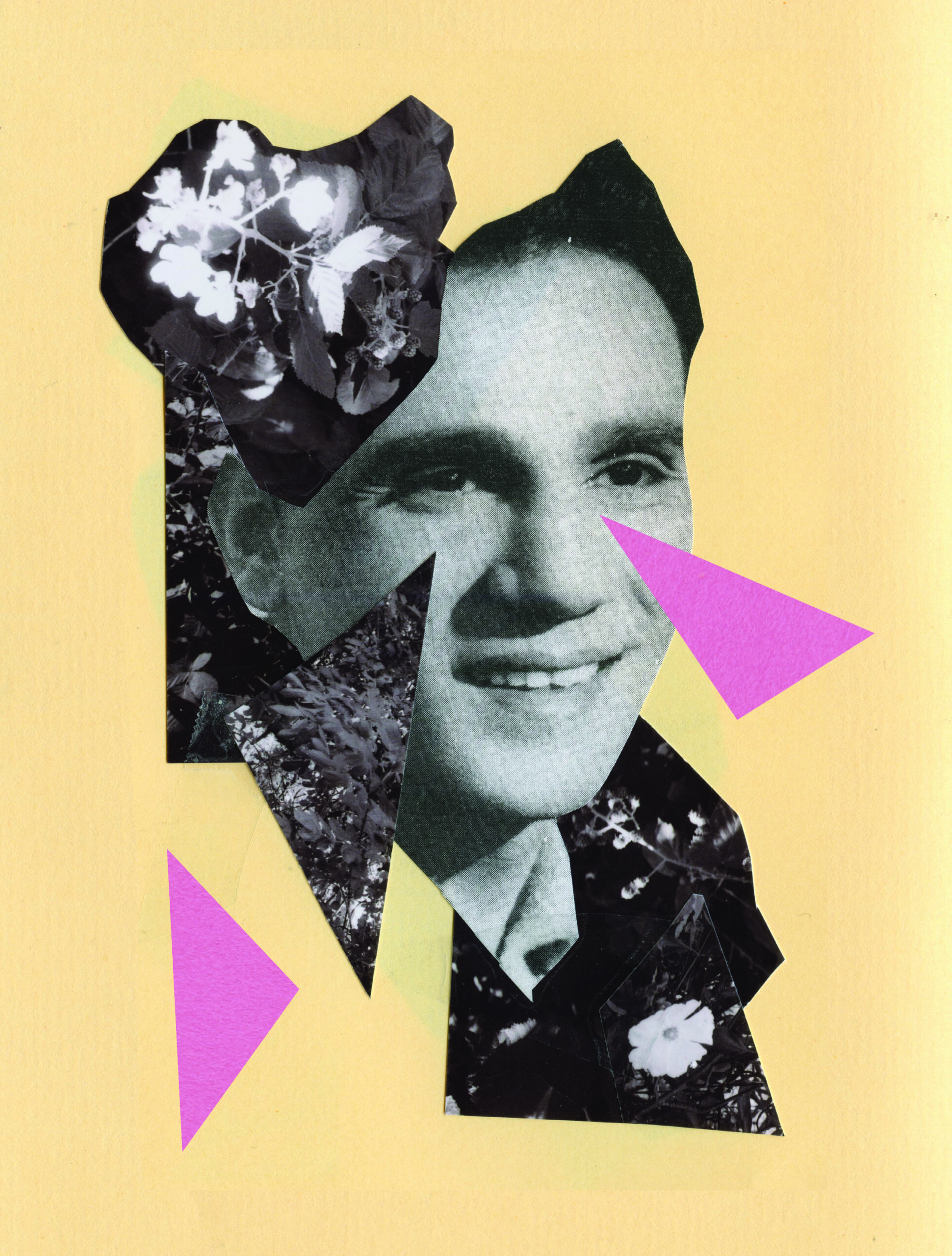
This text does not stem from a desire to uncover the “truth” about Abdel Halim Hafez, nor from an obsession with categorizing him sexually or reframing him within a prepackaged identity. What matters here is not who Abdel Halim was, but how he became what he became, and how his body, voice, and presence were negotiated at a historical moment when art itself was the subject of moral suspicion and masculine unease, especially when it came from a man.